
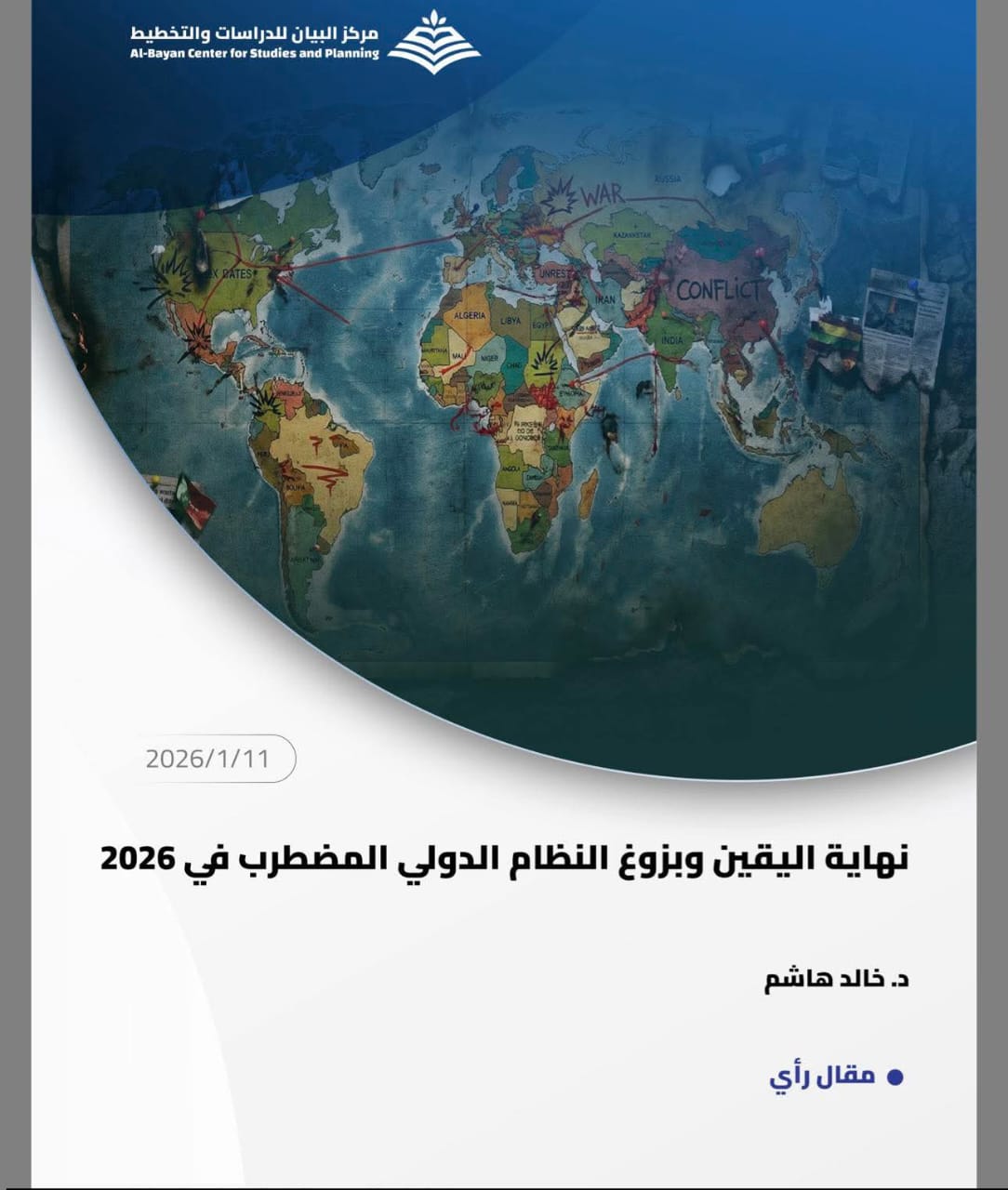
The End of Certainty and the Advent of a Turbulent International System in 2026
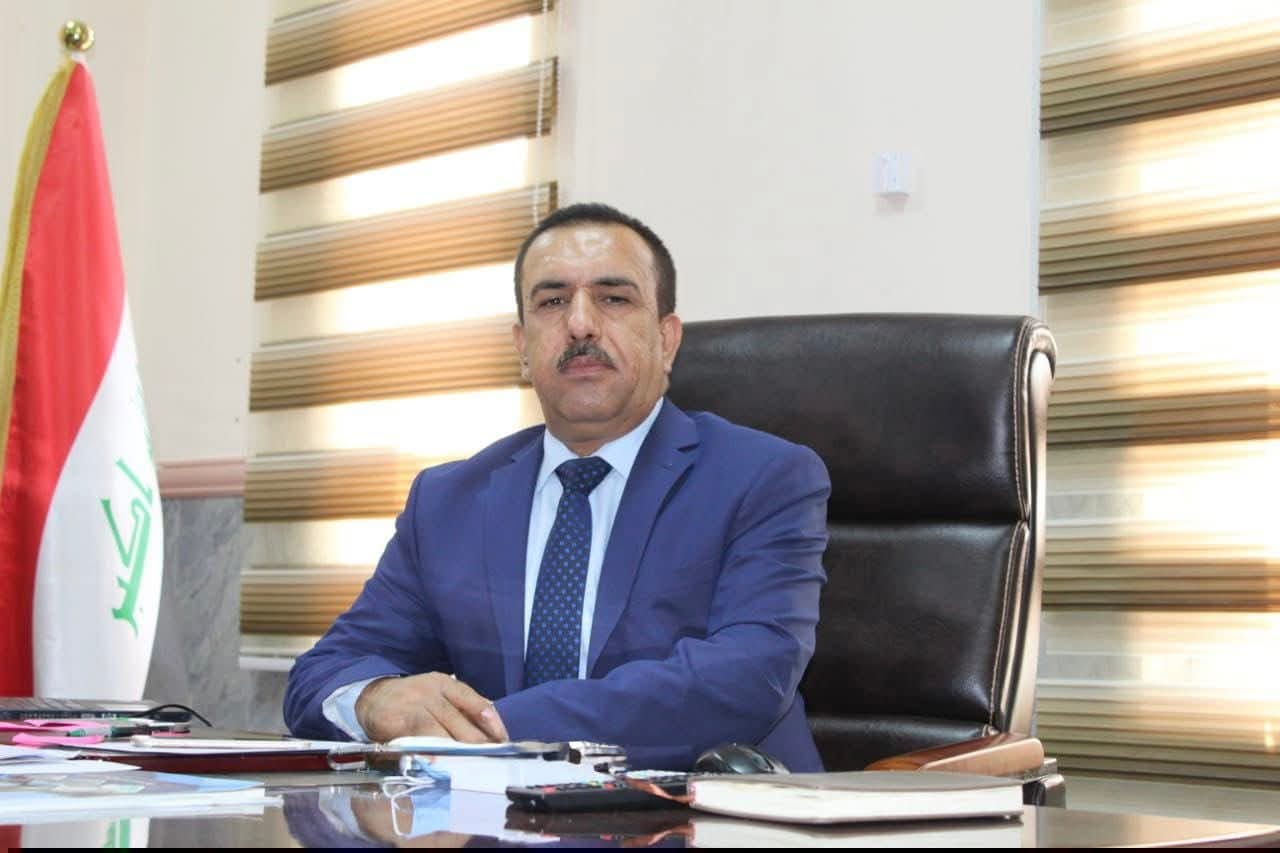
Dr. Khalid Hashem / University of Anbar / College of Political Science
The year 2026 does not appear to be merely a passing turning point in history; rather, it can be viewed as a phase in which the features of transformation itself intersect—neither preceding it nor coming after its completion. It is a time in which transformations and structural crises overlap with the reshaping of power balances, where a degree of certainty recedes in favor of greater fluidity, and where rigid rules give way to temporary equations and mobile forces. These indicators point to a gradual process of disintegration in the structure of the international liberal order, not through a sudden collapse, but through slow erosion, in which major powers contribute by hollowing out some of its substantive content while preserving its overall form.
As the world enters 2026, it stands in a space marked by considerable fluidity and ambiguity, between an international order that has nearly eroded and another that has yet to be born. It is a historical moment characterized by uncertainty, in which the rules that governed the world since the end of the Cold War and the United States’ predominance in international politics no longer prevail. Nor are we any longer able to fully interpret international behavior or contain escalating conflicts. What the world is witnessing today is not merely a transient crisis in international politics, but a transformation in the very structure of that system—one that will affect its core, its instruments of power, its concepts of sovereignty, the boundaries of the nation-state, and international institutions. It is, in essence, a phase marked by instability and contradiction.