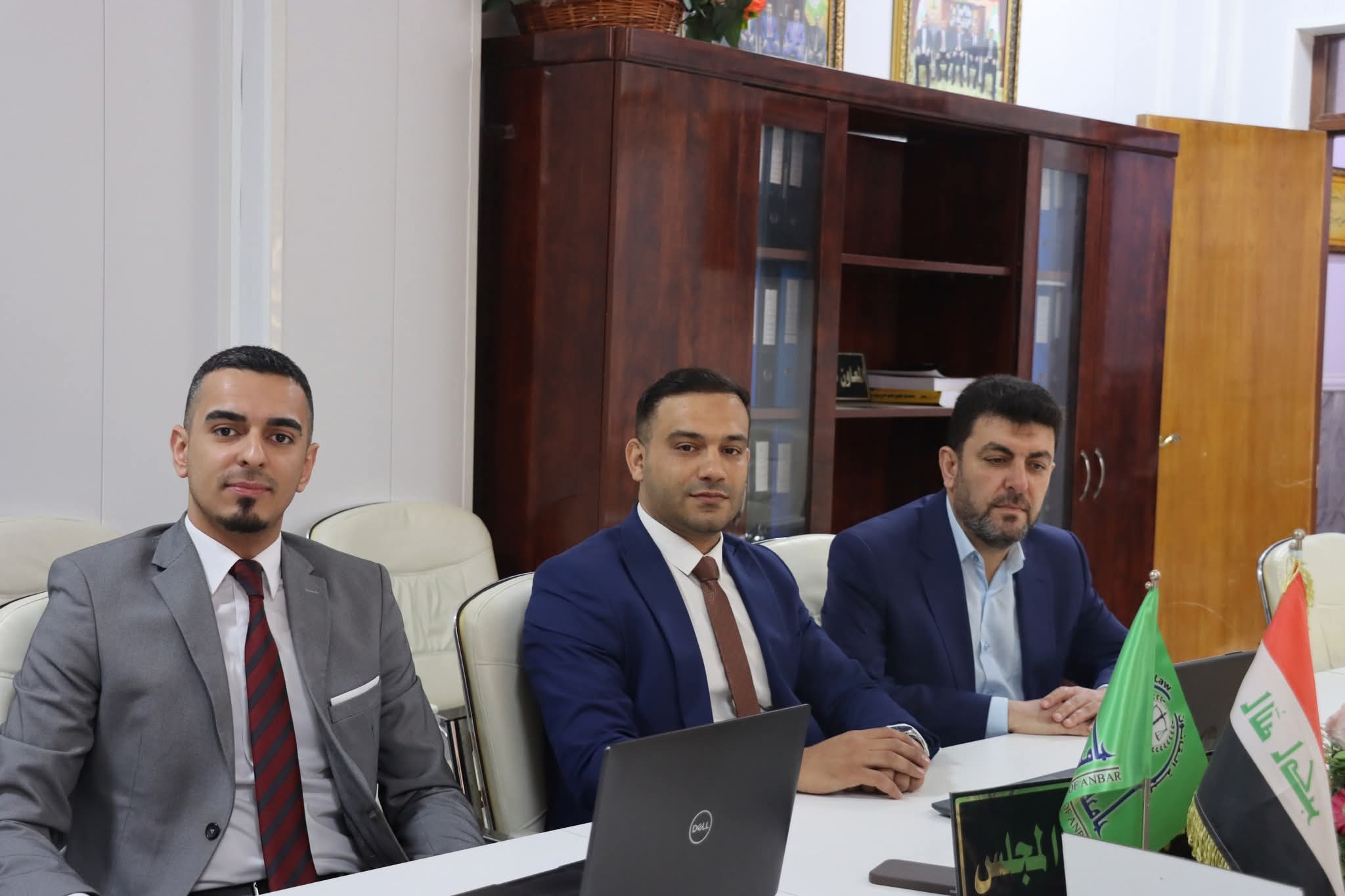
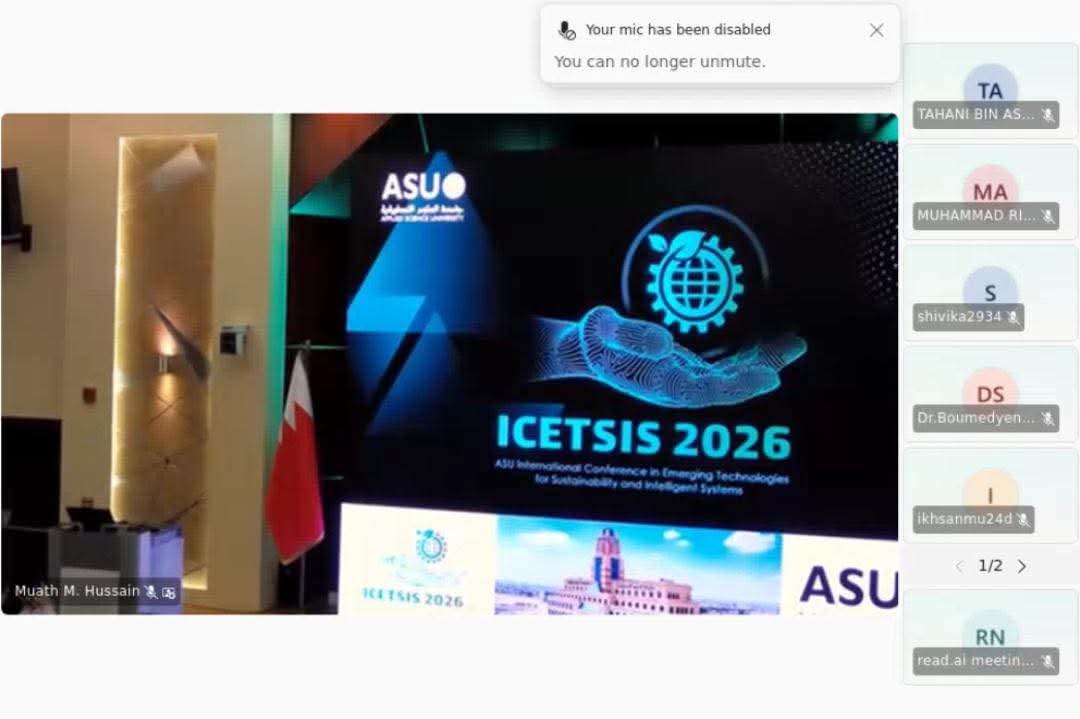
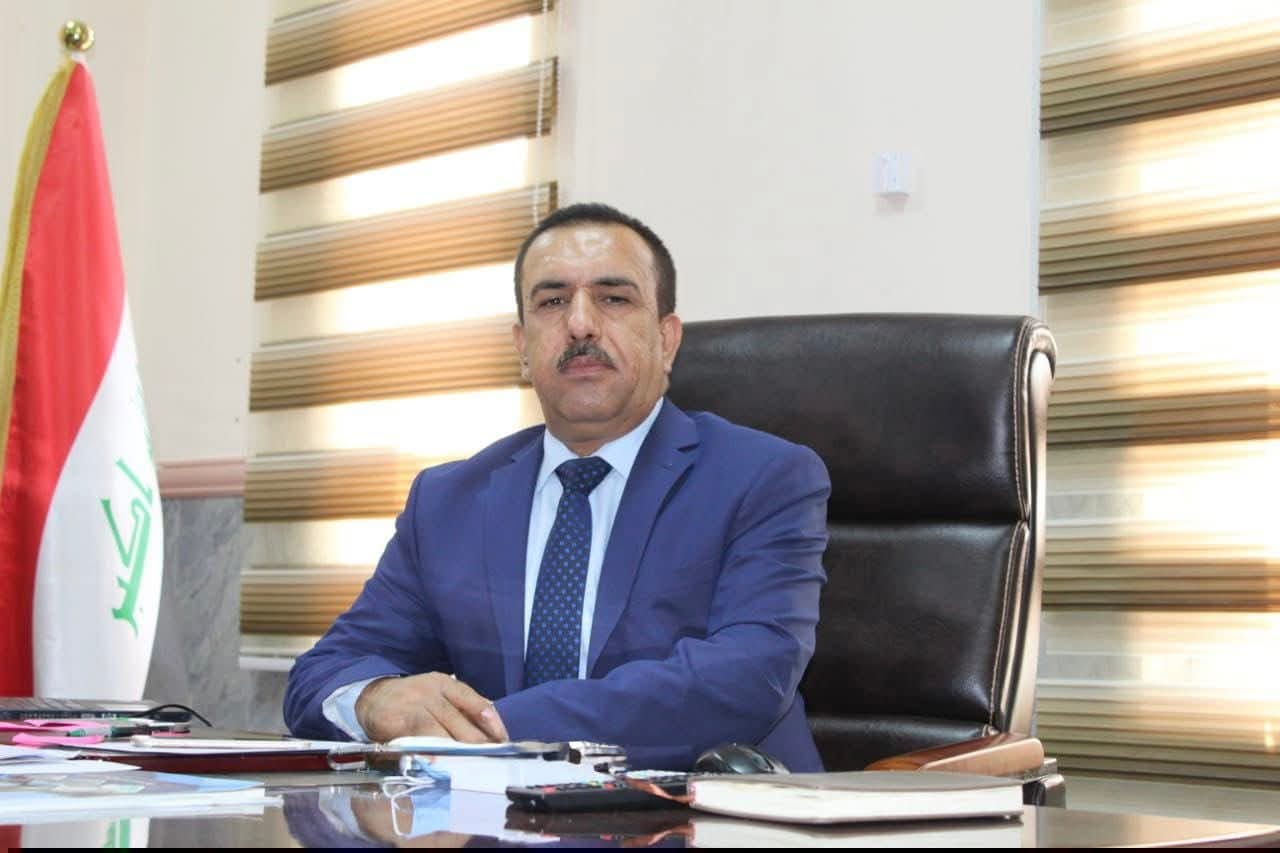
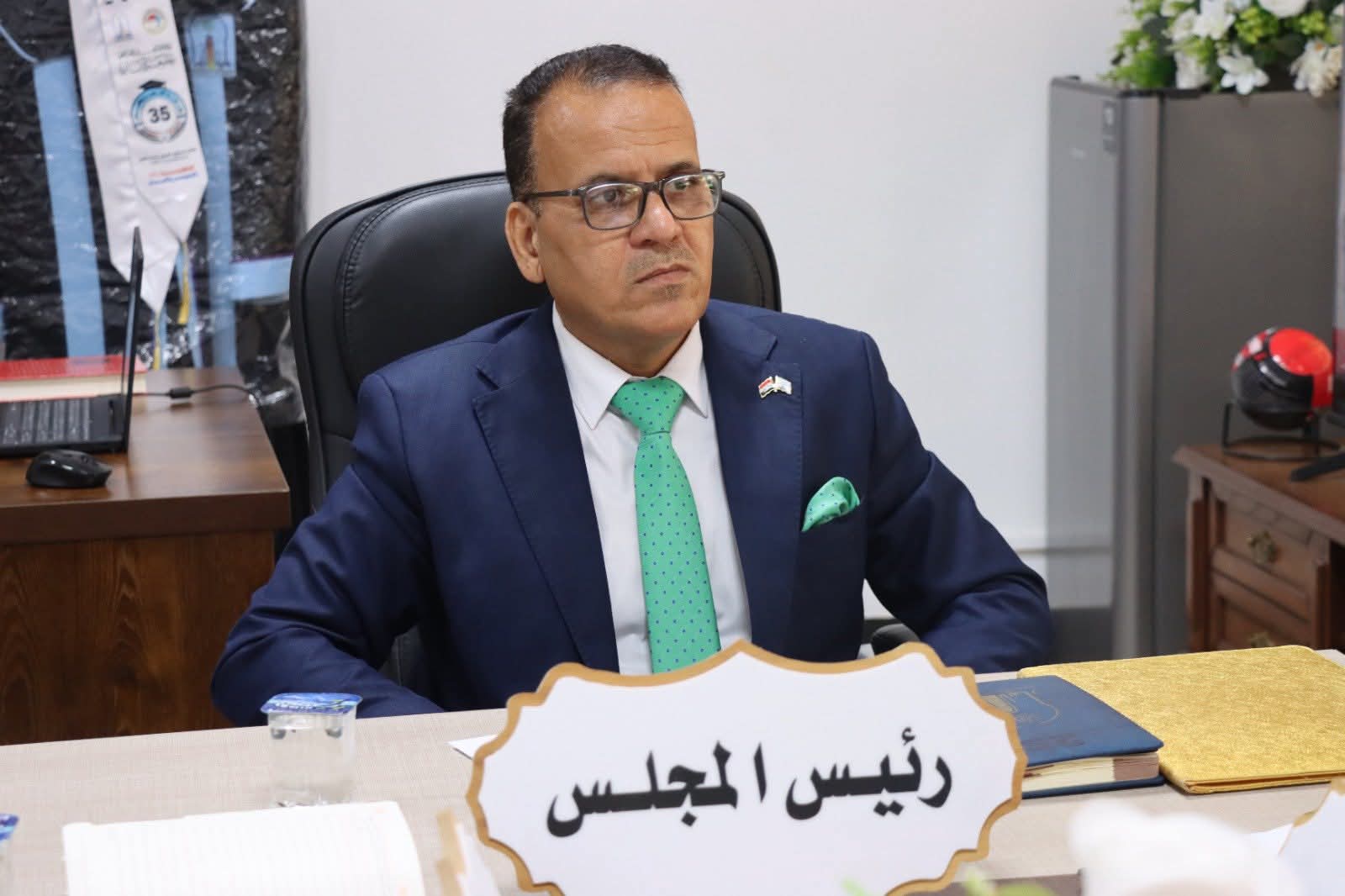
The College of Political Science / University of Anbar extends its warmest greetings.
The College announces to its dear students and esteemed graduates the regulations for applying to postgraduate studies (Master’s / PhD) for the academic year 2026–2027

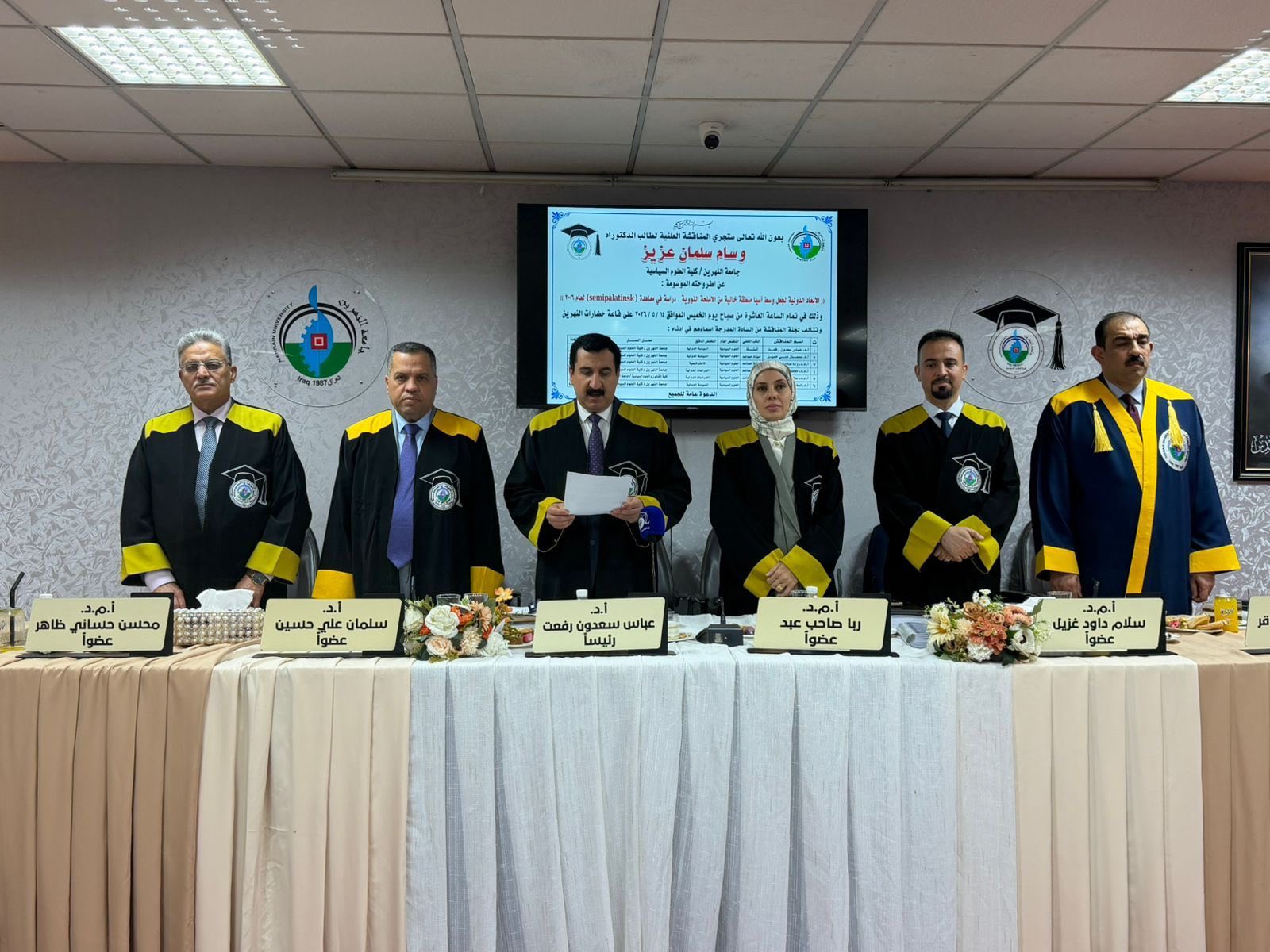
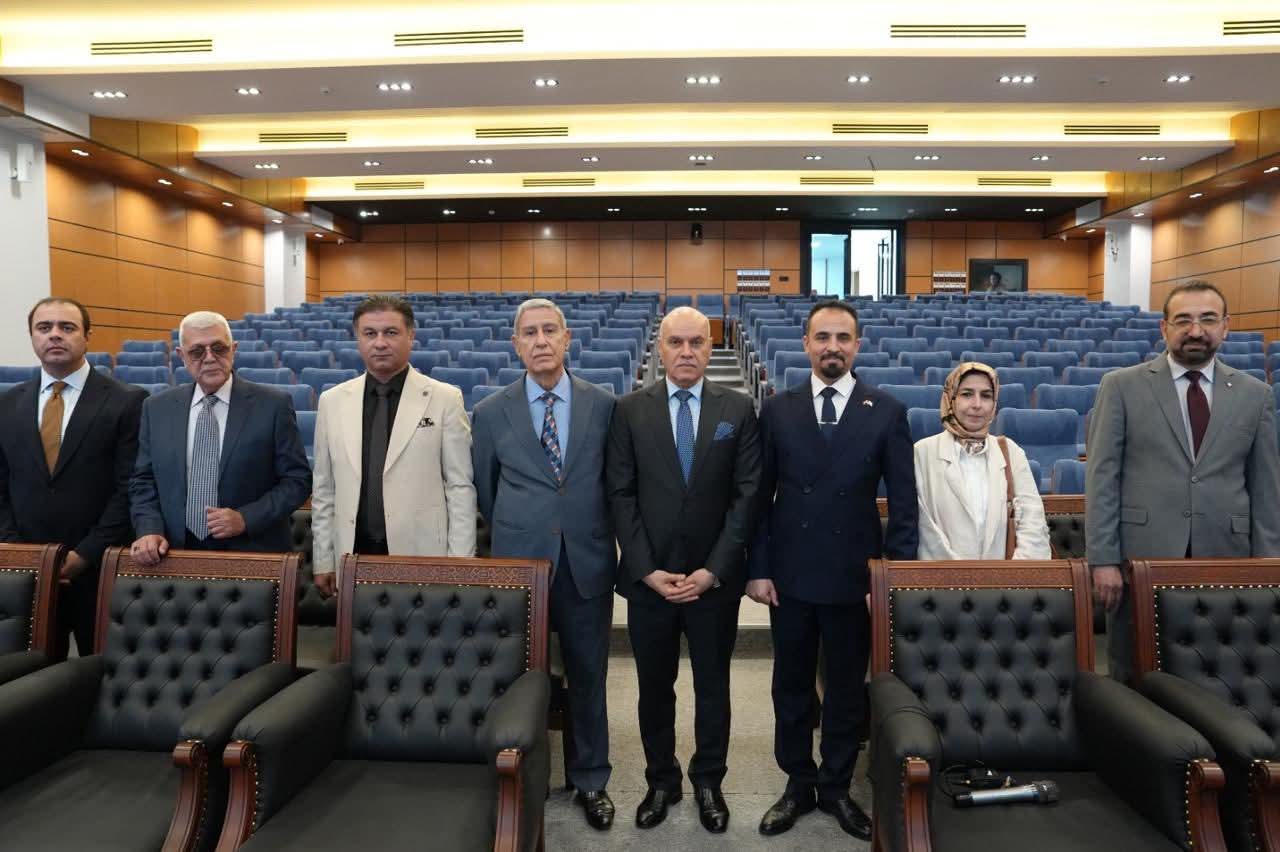
Master’s Thesis Defense at the College of Political Science – University of Anbar ????
On Monday morning, March 30, 2026, the public defense of the Master’s student Abdul Sattar Qasim Abd was held at the Martyr Professor Dr. Mohammed Hardan Al-Hiti Hall

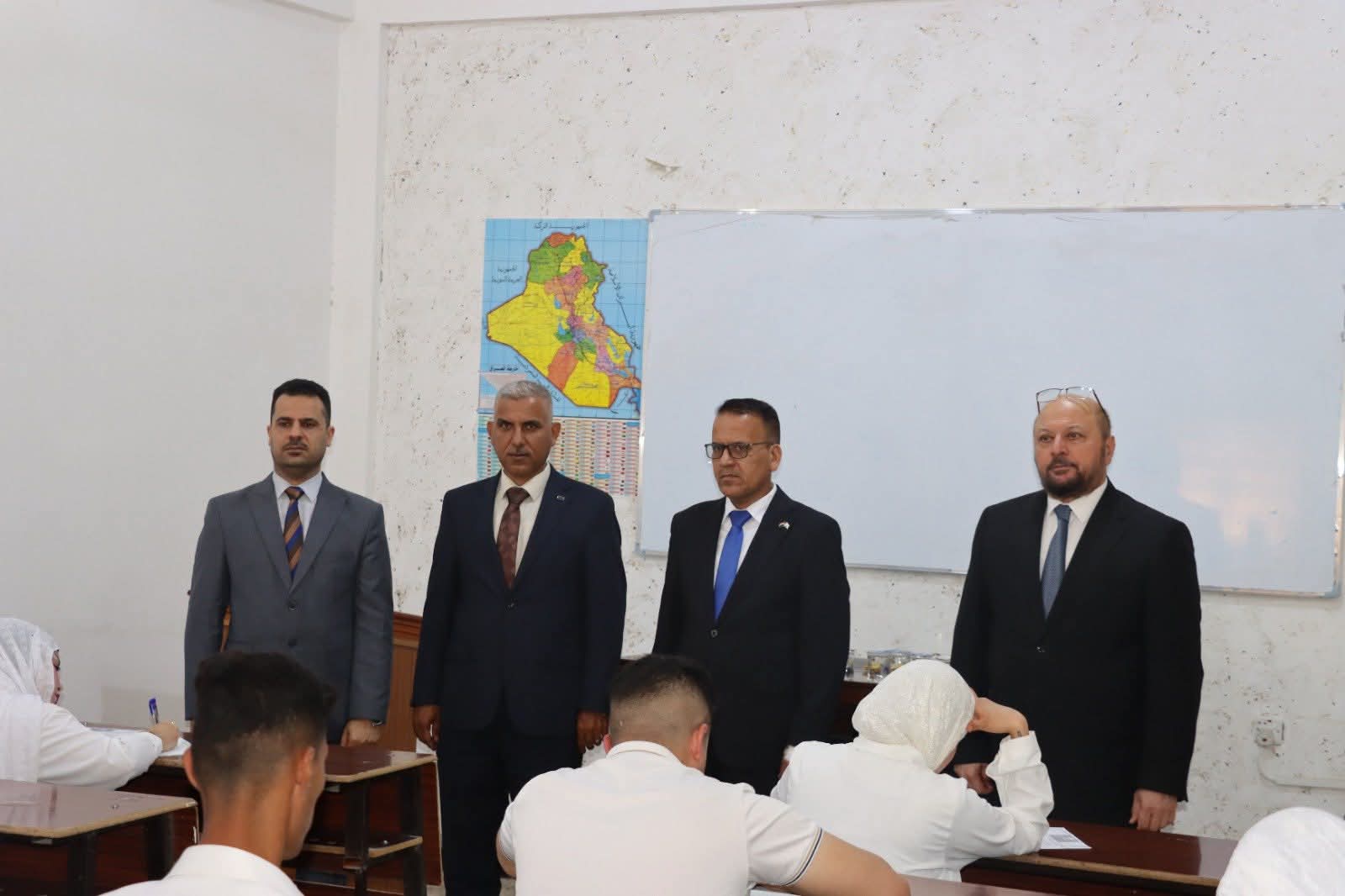
The Council of the College of Political Science Holds Its Regular Session
The Council of the College of Political Science - University of Anbar at the University of Anbar

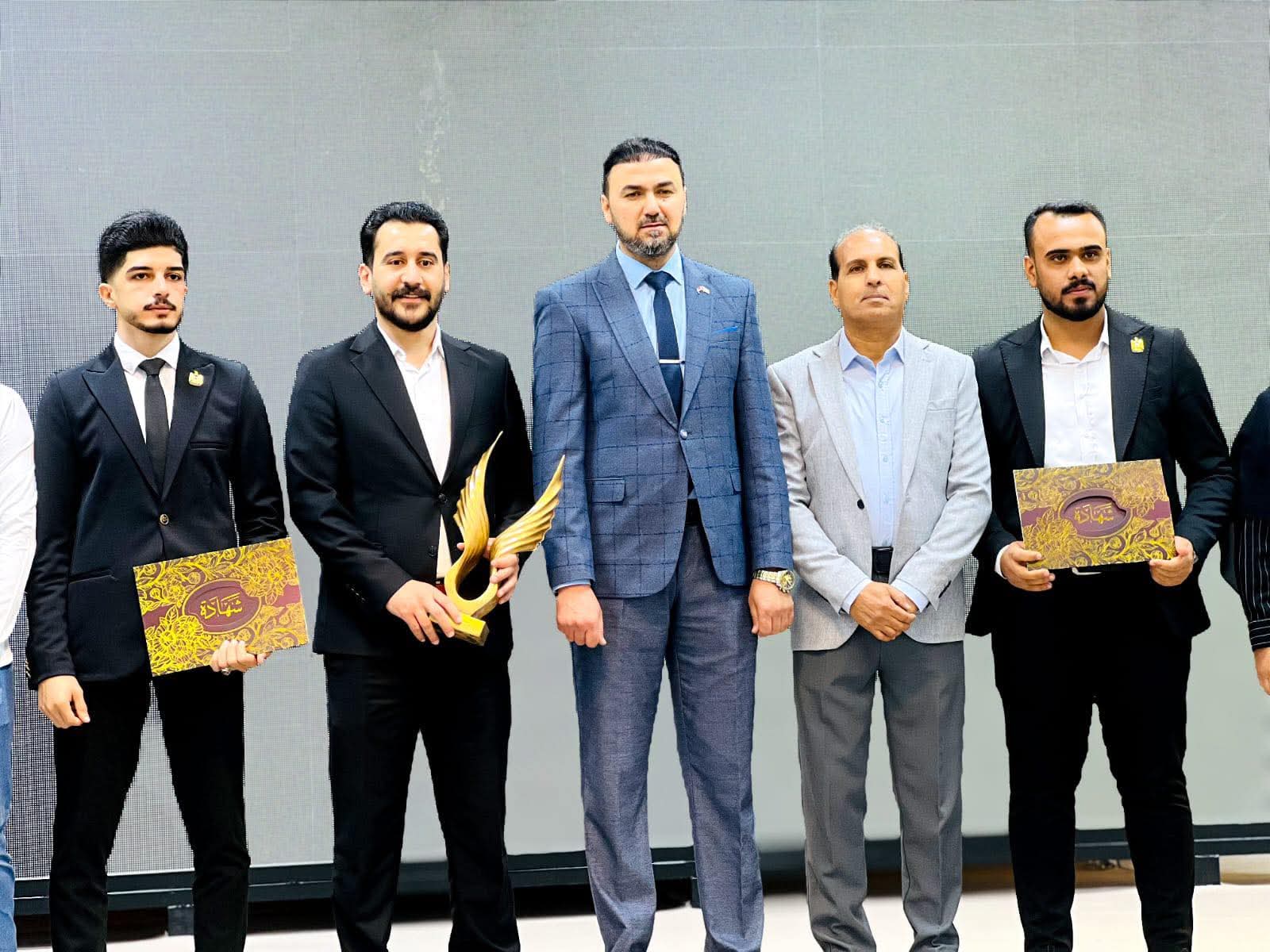
The Dean of the College of Political Science - University of Anbar met with the students participating in the Entrepreneurship activities

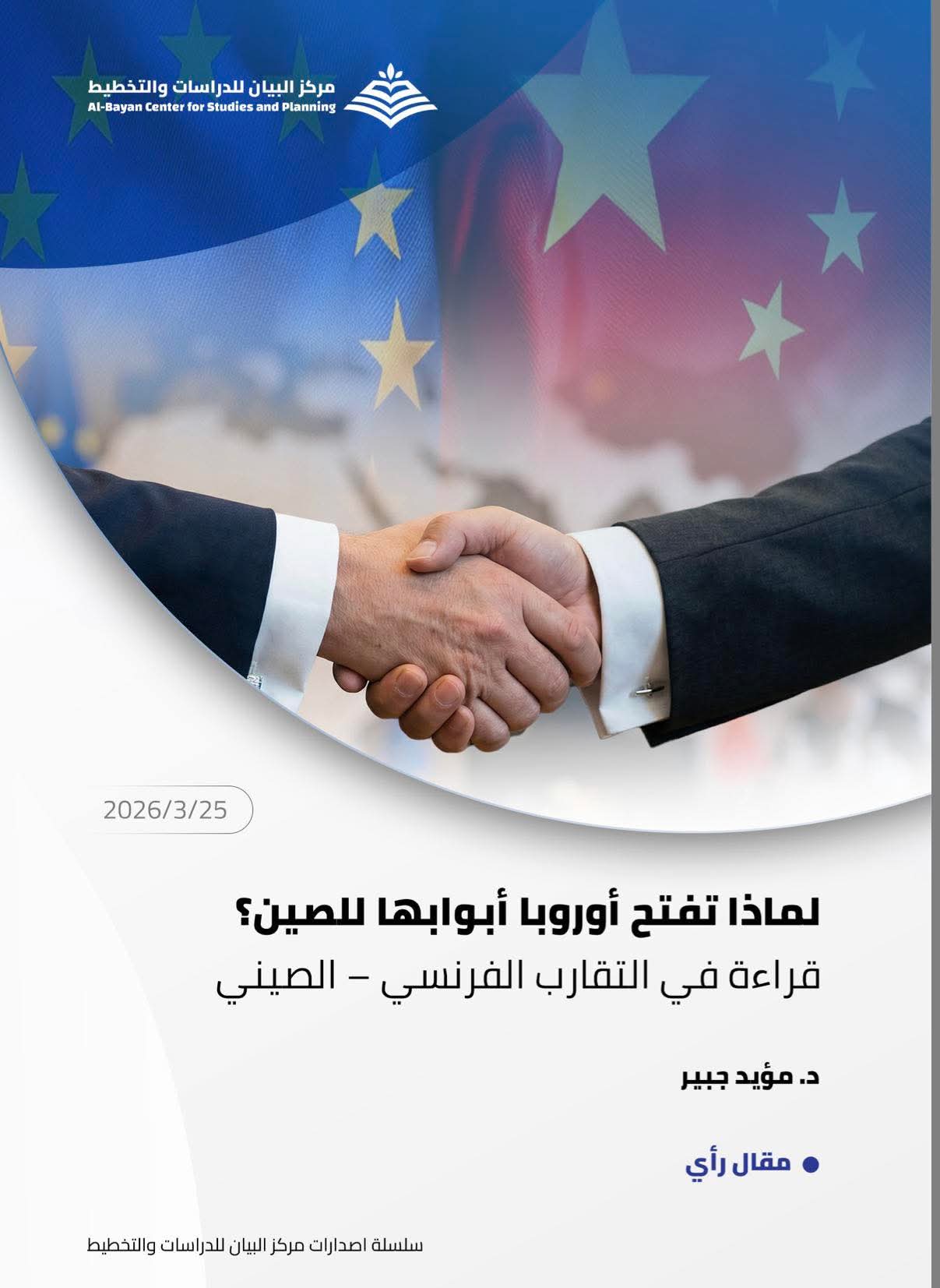
France Between the Legacy of Charles de Gaulle and the Vision of Emmanuel Macron: Toward a New Strategic Balance
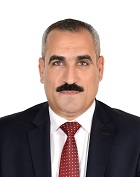
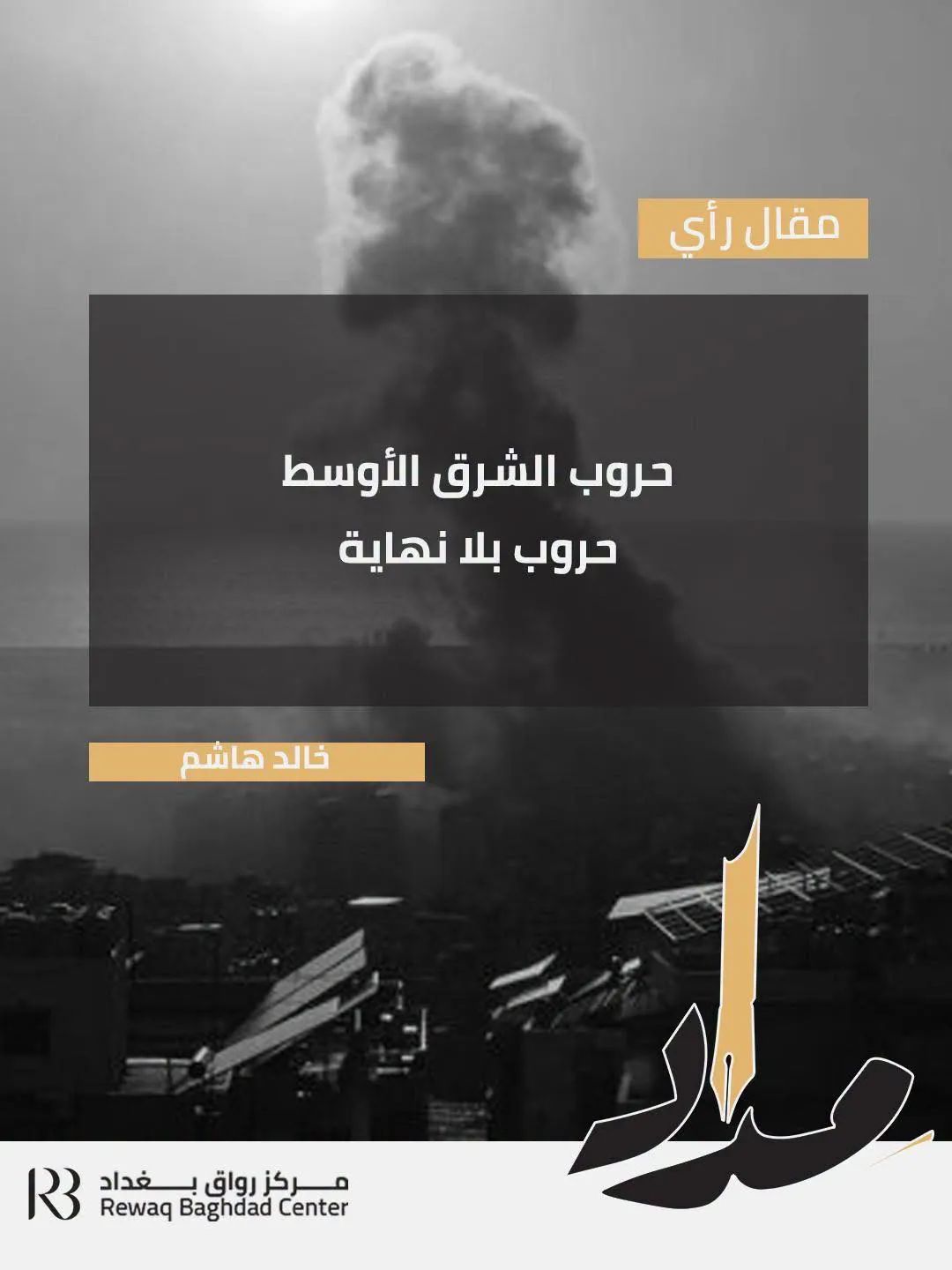
Dr. Khalid Hashem / University of Anbar / College of Political Science
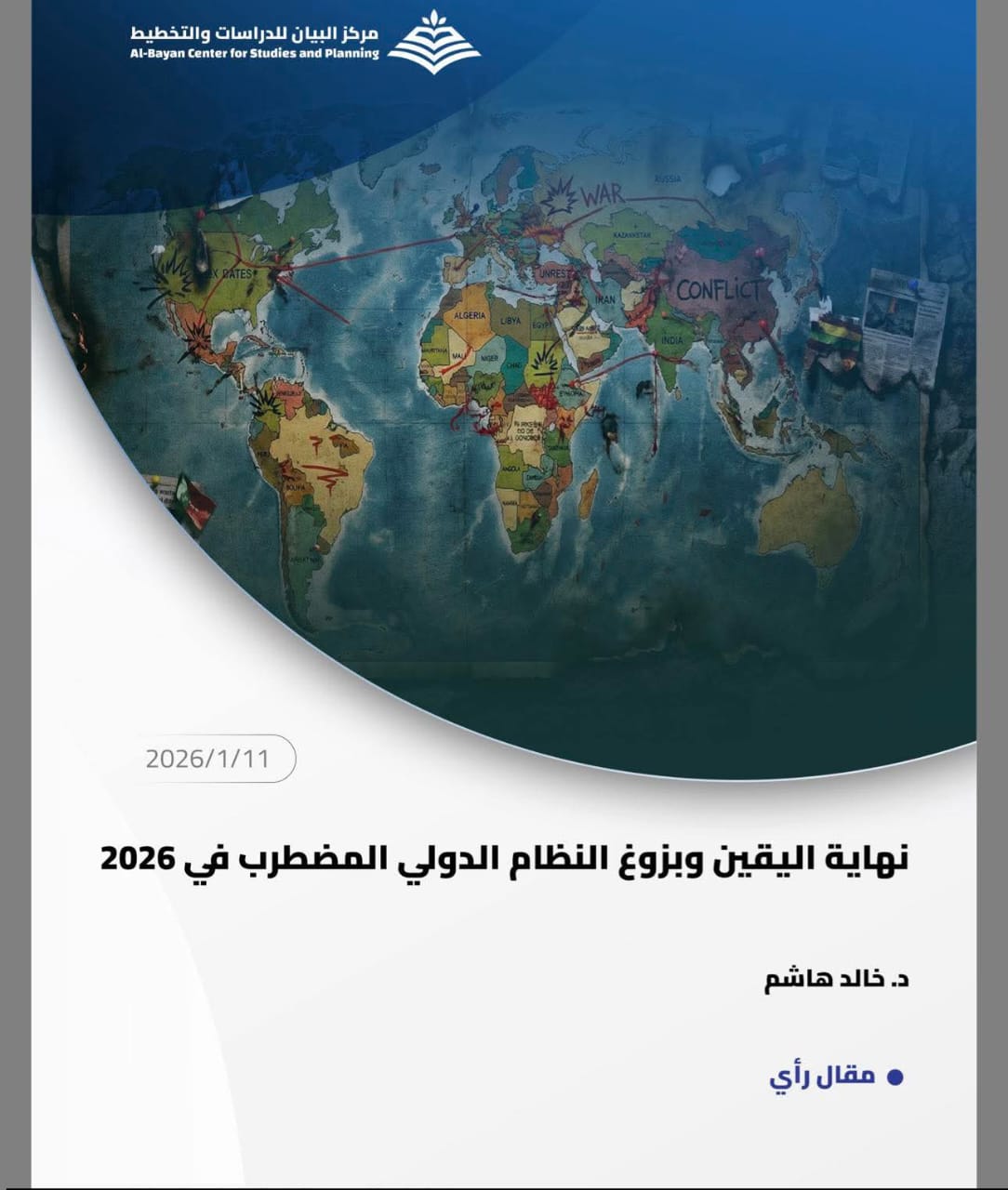
The year 2026 does not appear to be merely a passing turning point in history; rather, it can be viewed as a phase in which the features of transformation itself intersect
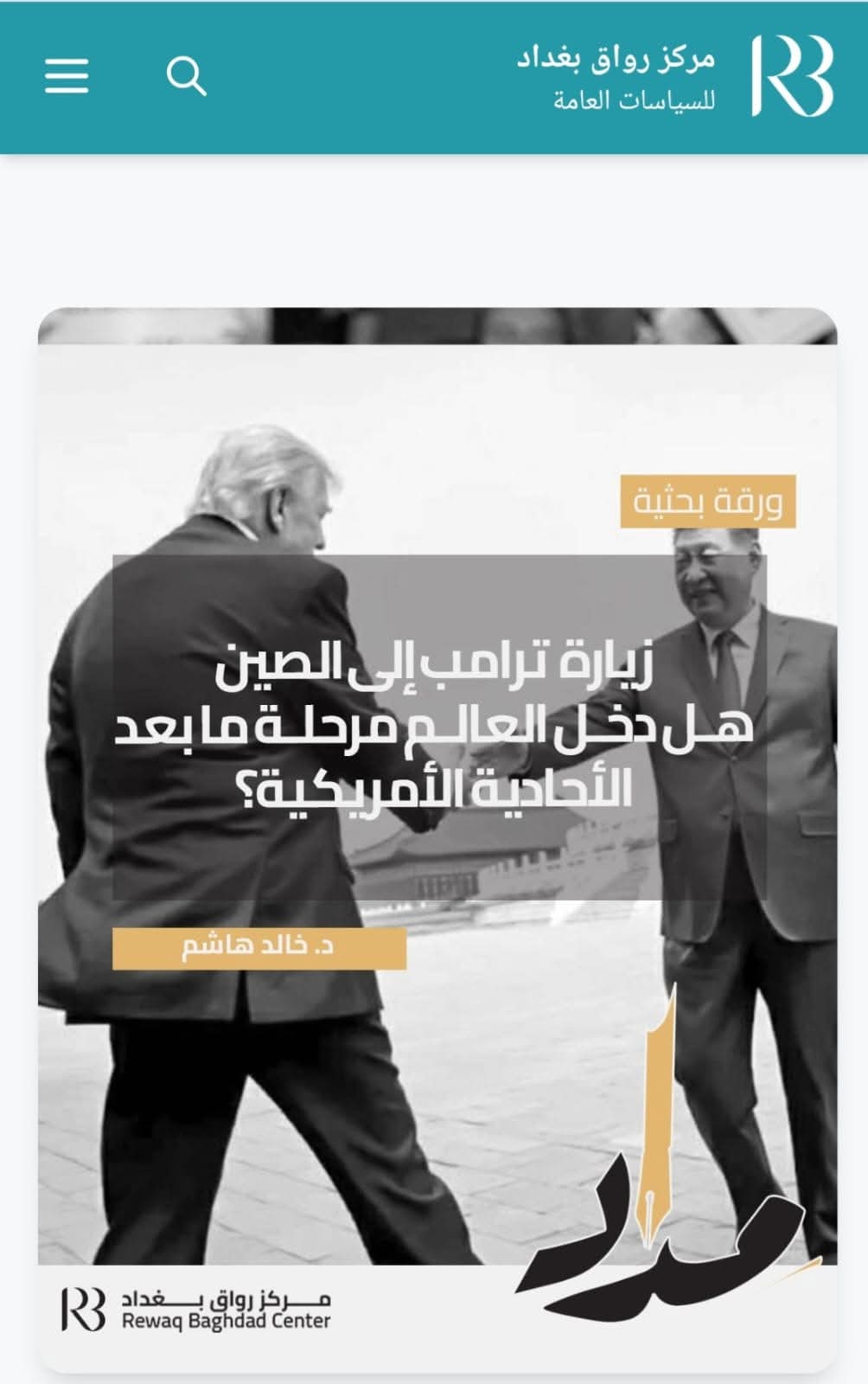
Analytical Reading of China’s Rise and Its Competition with the United States: John Mearsheimer’s Perspective
Dr. Khalid Hashim Mohammed, a lecturer at the College of Political Science, published an academic article entitled “A Reading of John Mearsheimer’s Recent Analysis of China’s Superiority over the United States” on Baghdad Policy Review.
Railways as a Vital Means of Transportation in Iraq
Railways are considered one of the most important means of transportation in the world, and in Iraq, they represent a vital artery for development. Railway transport constitutes one of the fundamental infrastructures of the national economy through its contribution to the GDP of the transport sector. Iraq witnessed its first tramway line in 1869, established by the Ottoman governor Midhat Pasha in cooperation with the Baghdad–Kadhimiya Tramway Company. At that time, horses were used to pull the wagons, which were known as “al-Kari.”